Reviewed by Ian Lipke
The major character in Sally Piper’s novel is by no means leading a glamorous life. The book explains the journey Tina Lamb has been forced to undertake, one in which she navigates a path from a brutal mid-life divorce to near homelessness. From the depths of despair, she achieves a renewed sense of resilience, dignity, and hope. Through sheer guts she rises from life in a caravan park to a more stable lifestyle.
While Tina’s mindset shifts from bitter shame to courageous self-acceptance, and while there is never any doubt that she is the person the book is mostly about, the supporting characters are never ignored and play a powerful part. Each of them possesses different mindsets that contrast with and influence Tina’s growth. Each neighbour determines the title of the book People Like Us.
One such person is Mrs Bell for whom Tina becomes a companion. When they first meet, the younger woman sees a wealthy, highly educated employer. Initially, Mrs Bell presents a demanding, acerbic, and intimidating exterior. It becomes apparent that her gruffness is a defence mechanism intended to protect her vulnerability. Despite living in a mansion, her mindset is deeply shaped by loneliness and a quiet yearning for a genuine connection. She understands financial security cannot buy emotional warmth.
Mrs Bell’s family are emotionally detached and transactional. Though they live in a different “wing” of the same massive house as Mrs Bell, the family is physically and emotionally remote. Their minds reflect convenience over compassion; they prefer to use their wealth to pay a stranger to act as a companion for their mother rather than accepting the emotional labour of connecting with her themselves.
Tina’s ex-husband, Gavin, is controlling, entitled, and ruthlessly self-interested. He is the architect of Tina’s financial ruin. His mind works from the points of view of absolute fiscal control, and he demonstrates a complete lack of accountability. By acting with financial irresponsibility and betrayal, he demonstrates a callous disregard for the invisible sacrifices Tina made while raising their four children and caring for ailing parents.
The Caravan Park Residents are where one is likely to find “people like us’. They are a complex blend of self-preservation, resignation, and communal solidarity. They include Vicki, the Imelda Marcos of Crocs, who is determined to preserve the image she thinks others hold of her; Bernadette, afflicted with bitterness so constant that her face resembles a ventriloquist’s doll; and Aidan who does his best to create a feeling of communal solidarity. The long-term residents and the transient tourists form an ecosystem living on the brink of poverty. Their collective mindset is such that gossip feeds suspicion and insularity. However, their shared circumstances mould their combined outlook into a true understanding of struggle.
It is appropriate that a female writer in today’s world should write a powerful testament to female friendship. Apart from the character Aidan, who is left abandoned by his lover as the story closes, little that is favourable is said about leading males in the book. Accept this situation – why the hell not? It does not detract from the story.
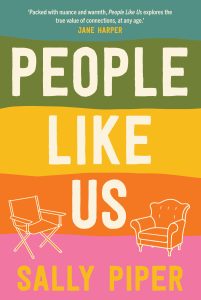
People Like Us
(2026)
by Sally Piper
UQP
ISBN: 978-0-7022-7119-9
$34.99; 272 pp